The Sustainability Roadmap 2030 is Infoglen's strategic commitment to environmental and social excellence. It focuses on achieving Zero-Waste office status, reducing our digital carbon footprint, and fulfilling our global reforestation pledge of planting 10,000 trees by the year 2030.
The Impact Architecture: How Infoglen Executes the Infoglen Sustainability Roadmap 2030
5 min read | Updated: May 8, 2026

Ibrahim Ahmad
Managing Director, Infoglen
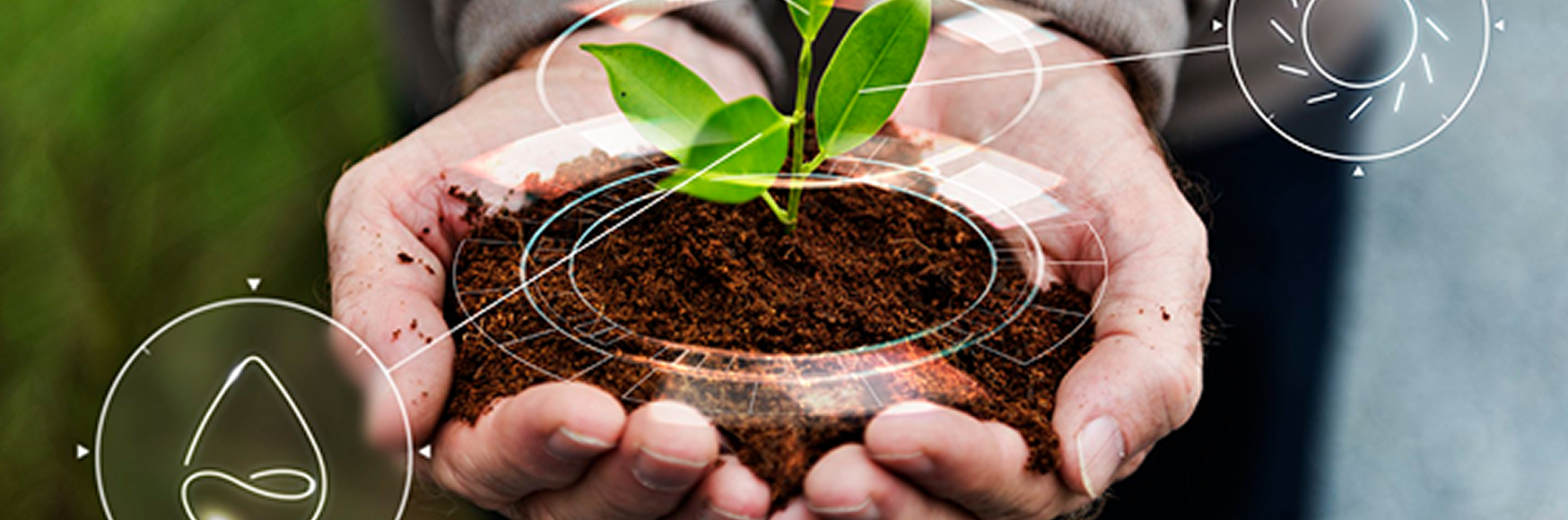
In 2026, Infoglen is moving beyond ‘awareness’ to execution via the Sustainability Roadmap 2030. Key targets include achieving Zero-Waste office status, reducing Digital Waste by 20%, and fulfilling our global reforestation pledge of 10,000 trees. By integrating these climate goals with Infoglen Giving social programs, we are proving that corporate growth and planetary health are inseparable.
In 2026, corporate responsibility has shifted from passive reporting to active orchestration. At Infoglen, this transformation is driven by our Sustainability Roadmap 2030, a strategic blueprint designed to align high-growth technology with planetary health.
By definition, our roadmap integrates Zero-Waste office protocols, Digital Sustainability, and Green Commuting into the daily heartbeat of our global operations. This commitment ensures that as we scale our AI and cloud solutions, we simultaneously reduce our carbon footprint, proving that a thriving business and a thriving planet are not just compatible, they are inseparable.
Pillar 1: GreenGlen: Putting the 2030 Roadmap into Action
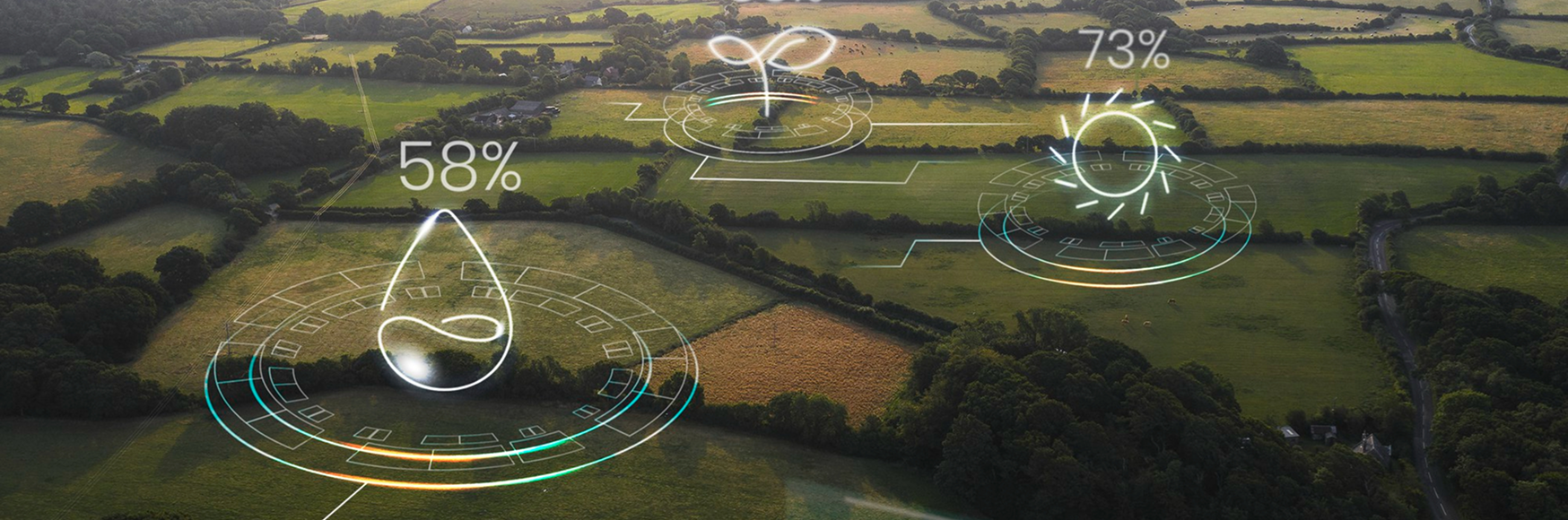
Sustainability is a team sport. Through GreenGlen, we offer a blueprint for climate action that goes beyond awareness into ground-level execution.
Reforestation: Planting Seeds for an Enduring Future

Trees are nature’s miracle workers, and our roadmap target is clear: 10,000 trees by 2030.
- Global Reach: In partnership with One Tree Planted, we support reforestation across five continents.
- Local Impact: Since 2022, we have planted over 3,860+ trees, working with experts to ensure high survival rates and ecosystem stability.
- Urban Renewal: Our collaboration with IAmGurgaon turns tree planting into an educational journey for our teams, deepening their commitment to urban forest conservation.
The 2026 Benchmarks: Zero-Waste & Digital Sustainability
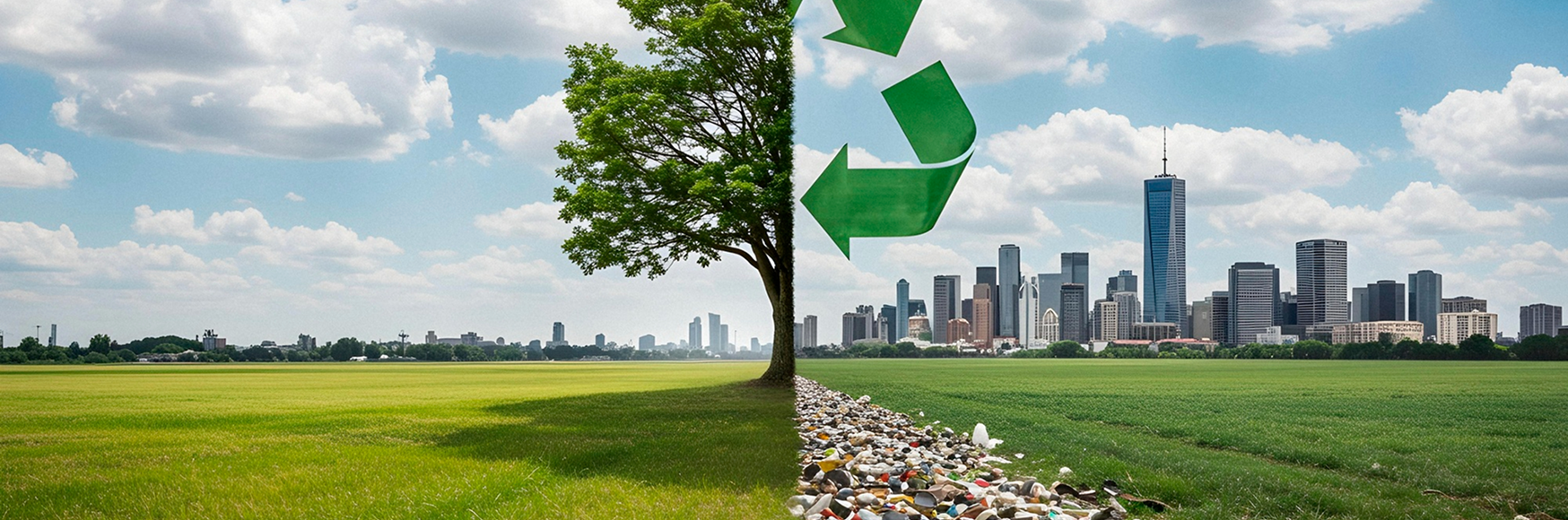
As we progress toward 2030, our 2026 initiatives introduce critical new standards for our physical and digital footprint:
- Zero-Waste Offices: Through our SWEEP (Segregation Waste and Educate to Eliminate Plastic) project, we are transforming our workspace into a model of circularity. We ensure recyclable waste never reaches a landfill.
- Digital Waste Reduction: We are actively reducing ‘Digital Waste’ by optimizing cloud storage and reducing the carbon footprint of our global data operations.
- Green Commuting: Our current roadmap includes incentivized carpool programs and support for low-emission travel to reduce the environmental impact of our daily commute.
Pillar 2: Infoglen Giving: Restoring Human Dignity
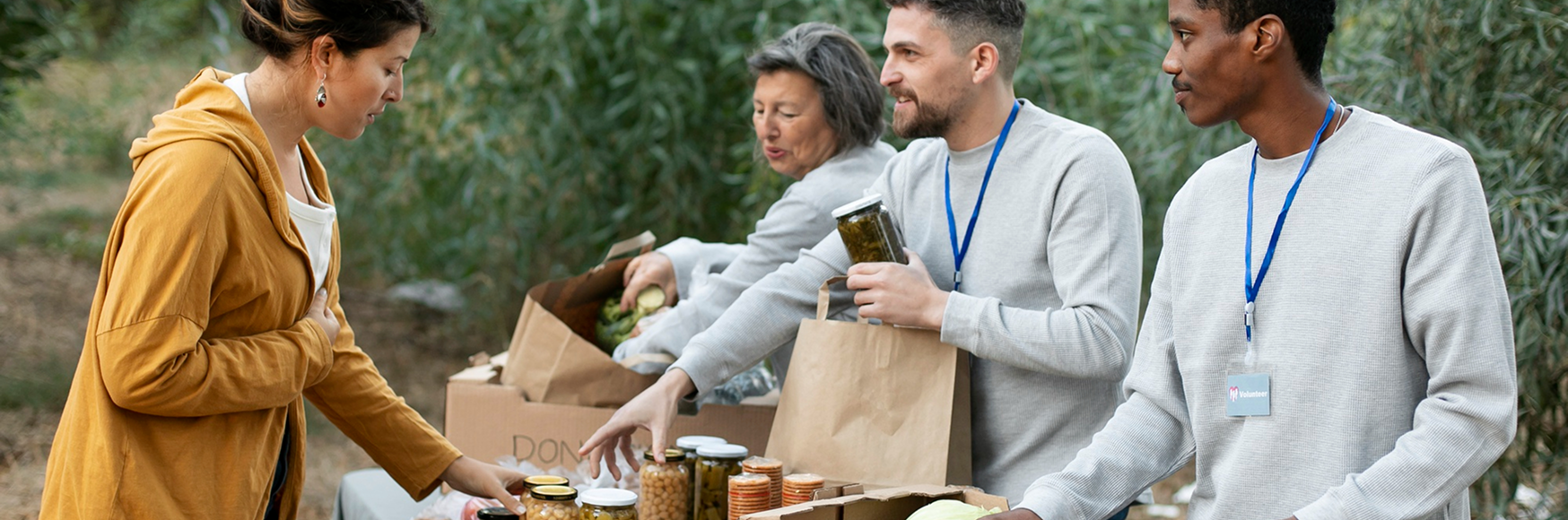
While GreenGlen heals the planet, Infoglen Giving heals communities by dismantling the barriers created by poverty and lack of access.
Education: The Jai Hind Project
Partnering with the Tarraqi I Foundation, we run accelerated learning centers for out-of-school children.
- The Result: 118+ children have transitioned from the streets back into formal classrooms. We provide the resources; they provide the heart.
Identity: Project Pehchaan
For migrant families, identity is the key to citizenship. We help families secure legal documents like Aadhaar, PAN and birth certificates to unlock government welfare and healthcare.
- Scope: Supporting 8,500 households to ensure no one is ‘invisible’ to the state in 2026.
Our Architecture of Action: Pledge 1%

In 2026, our impact is fueled by Pledge 1%, donating 1% of our profits to hunger relief, education, and healthcare. But our most valuable asset is our people.
- Skills-Based Volunteering: Our architects help nonprofits scale their digital infrastructure.
- The ‘Lend a Hand’ Tradition: Whether packing nutrition kits for the Joy of Giving Campaign or providing tutoring, our teams are on the ground, making impact personal.
Conclusion: Purpose is the Foundation of Success

Sustainability and social equity are not boxes to tick; they are promises to keep. As we execute our Sustainability Roadmap 2030, Infoglen remains committed to proving that a thriving business is one that leaves the world better than it found it.
Frequently Asked Questions (FAQs)
-
Q: What is the Infoglen Sustainability Roadmap 2030?
-
Q: How does Infoglen reduce 'Digital Waste' in 2026?We reduce digital waste by optimizing cloud storage architectures, implementing automated data lifecycle management, and minimizing unnecessary data redundancy. This helps lower the energy consumption of the servers and data centers that power our global operations.
-
Q: What is the Jai Hind Project's role in social empowerment?
The Jai Hind Project is an accelerated learning initiative designed to help out-of-school children bridge academic gaps. By providing foundational literacy and numeracy support, we help children from vulnerable backgrounds reintegrate into formal, mainstream schooling.
-
Q: What does 'Pledge 1%' mean for Infoglen?
As a member of the global Pledge 1% movement, Infoglen commits 1% of its profits toward high-impact NGOs focused on hunger relief, education, and healthcare. This ensures that our financial success directly fuels community empowerment.
-
Q: How can employees participate in the Green Commuting initiative?Employees can participate through our carpool programs, by utilizing low-emission travel options or by engaging in our hybrid work models designed to reduce the overall environmental impact of the daily commute.