
Katie is an experienced Operations and Finance Manager with a strong background in streamlining business processes and managing financial operations. She is a dedicated finance professional committed to upholding the financial stability and integrity of the organization. She ensures accurate financial recordkeeping, compliance with tax and regulatory requirements, and provides meaningful reports to support strategic business decisions.
With expertise in financial reporting, revenue forecasting and internal controls, Katie contributes to ensuring financial accuracy, improved operational efficiency, risk mitigation, and sustainable organizational growth. She is known for attention to detail and analytical insight, and plays a key role in maintaining financial integrity and driving fiscal responsibility.
Outside of work, Katie loves to spend time with her family and friends, traveling, hiking, camping, reading, learning new things. She’s an ardent foodie, who loves cooking and meeting new people.
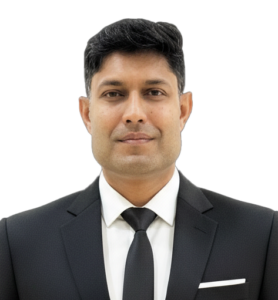
A software development professional, Sharaf has over a decade of experience in the tech industry, having served at organizations like Synygy (Optymyze) and KPIT Cummins.
At Infoglen, Sharaf is instrumental in driving the company’s expansion, heading the Growth function. His responsibilities include leading business development and marketing initiatives to identify new opportunities, scale partnerships, and strategically position Infoglen in the market. He also maintains active involvement in key operational efficiencies and stakeholder management.
Sharaf is passionate about sports & athletics and values fitness. He also enjoys reading, mainly non-fiction, and is drawn to literature.
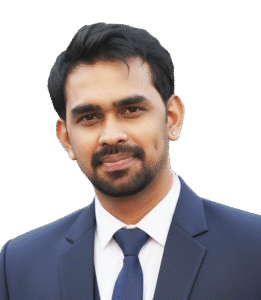
Fenil leads Infoglen’s people strategy with one clear focus — nurturing talent and strengthening our people-first culture. He ensures that our HR practices don’t just support our employees, but also align with Infoglen’s broader strategic goals, creating a perfect balance between people growth and business success.
Known for his strategic thinking and achiever mindset, Fenil brings a thoughtful yet results-driven approach to Infoglen’s Talent Agenda. He’s passionate about building meaningful relationships across Infoglen and believes that a culture of excellence starts with empowered and engaged people. Under his leadership, our HR processes continue to evolve — becoming more efficient, agile, and impactful. With over 18 years of HR experience, including a remarkable tenure at Accenture, Fenil brings deep expertise in talent acquisition, employee engagement, and people management. His ability to connect strategy with empathy is what truly helps Infogleners focus on their growth and performance.
Outside of work, Fenil channels his creativity through photography and loves exploring new places, a passion that reflects his curiosity and appreciation for new perspectives.
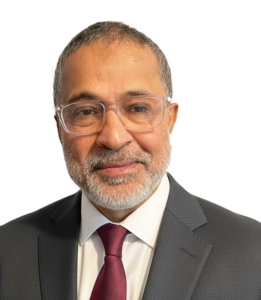
Having monitored and analyzed the IT industry for over three decades, Ibrahim Ahmad brings highly valuable experience and seasoned insights to Infoglen.
Ibrahim was the CEO of CyberMedia – South Asia’s largest technology media company. Under his leadership, some of India’s most well-known national industry surveys such as DQ Top 20 and V&D 100 have been undertaken.
At Infoglen, Ibrahim’s role is pivotal to fostering a high-performance culture. He is instrumental in planning and executing comprehensive strategies across talent management, business development, and marketing, ensuring a work environment that empowers every team member to excel, learn, and remain highly motivated.
Ibrahim is a foodie, and loves music, philanthropy, traveling & spending time with family.
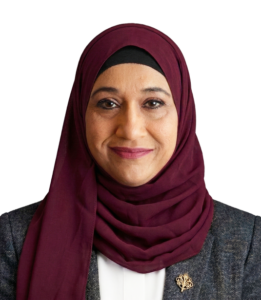
Saba is a transformational technology leader who brings a unique blend of business acumen with technical expertise, with a wide range of global work experience around business development, operations, and business systems engineering in US and Asia.
At Infoglen Saba leads the day-to-day operations and drives strategic execution to scale delivery excellence across technology and service functions. She provides leadership in aligning IT initiatives with organizational goals to develop, build, and enhance systems that foster growth, agility, and efficiency. Additionally, she oversees key finance functions, including financial analysis, forecasting, strategic planning, and cash flow management.
With over 20 years of experience, Saba brings deep expertise in scaling operations, and delivering impactful, customer-centric innovative CRM Solutions solutions. Her focus is on performance optimization, accountability, and sustainable growth in a fast-changing tech landscape.
In her free time, Saba enjoys reading, acrylic painting, and spending time with her family.
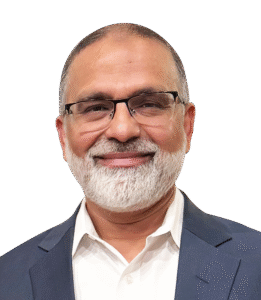
At Infoglen, Haroon is building a tech organization that delivers world-class high quality solutions & services, creates memorable client experiences, and a thriving culture where people do their best work.
For 20 years Haroon’s primary focus has been on innovative & cutting-edge technologies, defining & delivering CRM strategies and building roadmaps for several enterprises like Deutsche Bank, Google, YouTube, Dell, and Motorola.
A technocrat and an innovator, he has built several turnkey digital transformation solutions for top organizations across India, Malaysia, Singapore & Chicago, before co-founding Infoglen in 2015 in San Jose.
Haroon loves nature and enjoys hiking in the mountains. He also enjoys a quiet evening with a good book and light music in the background.